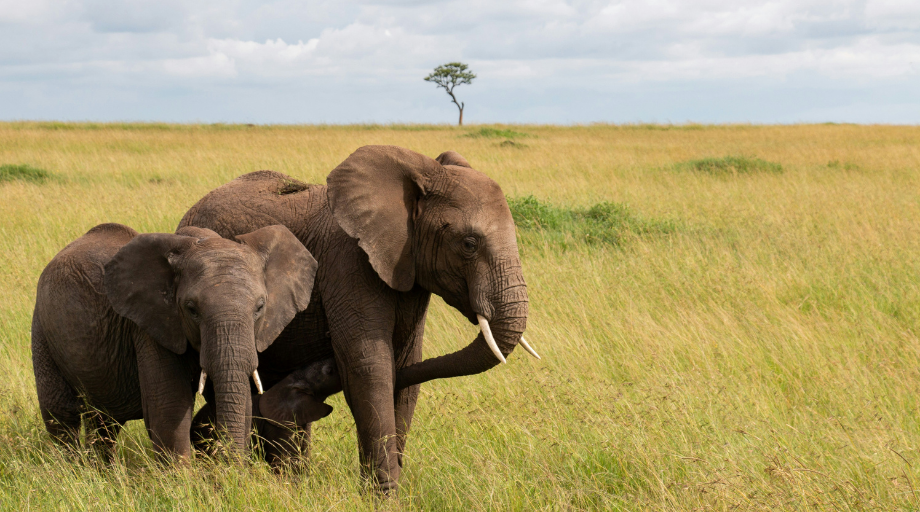
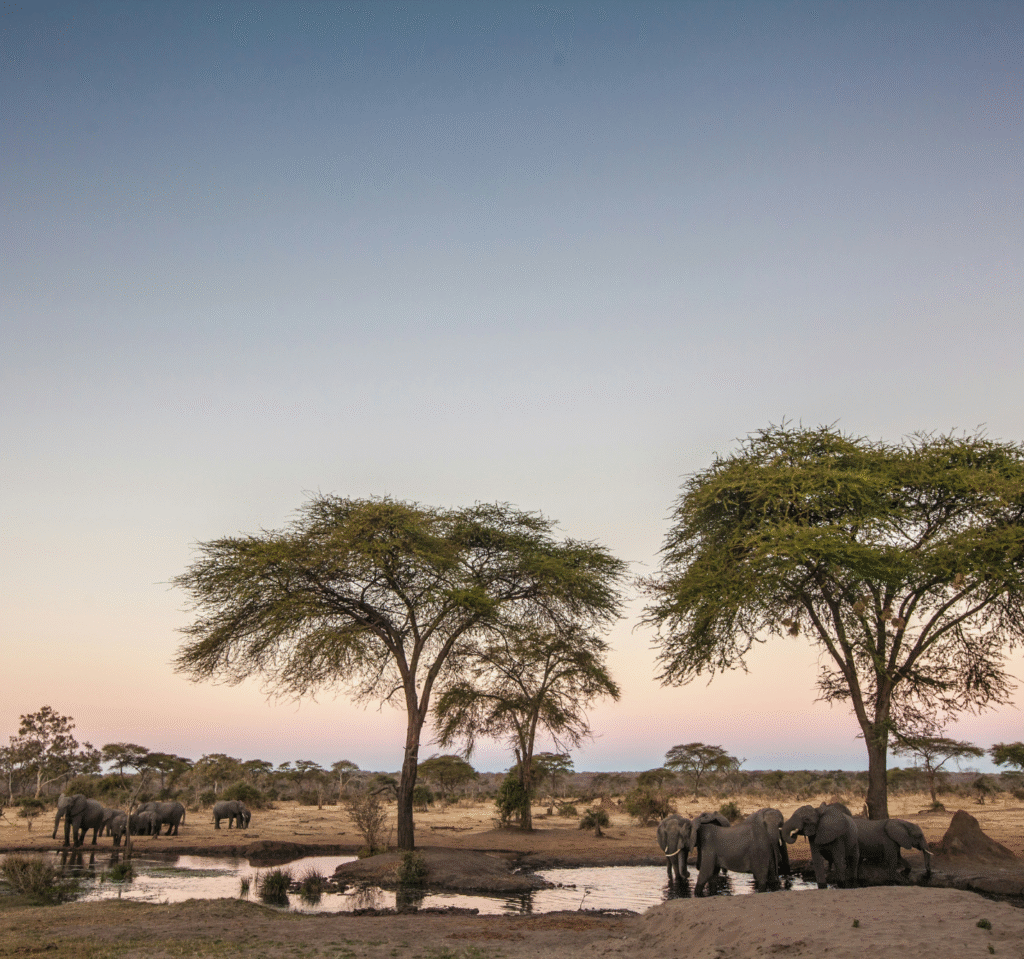
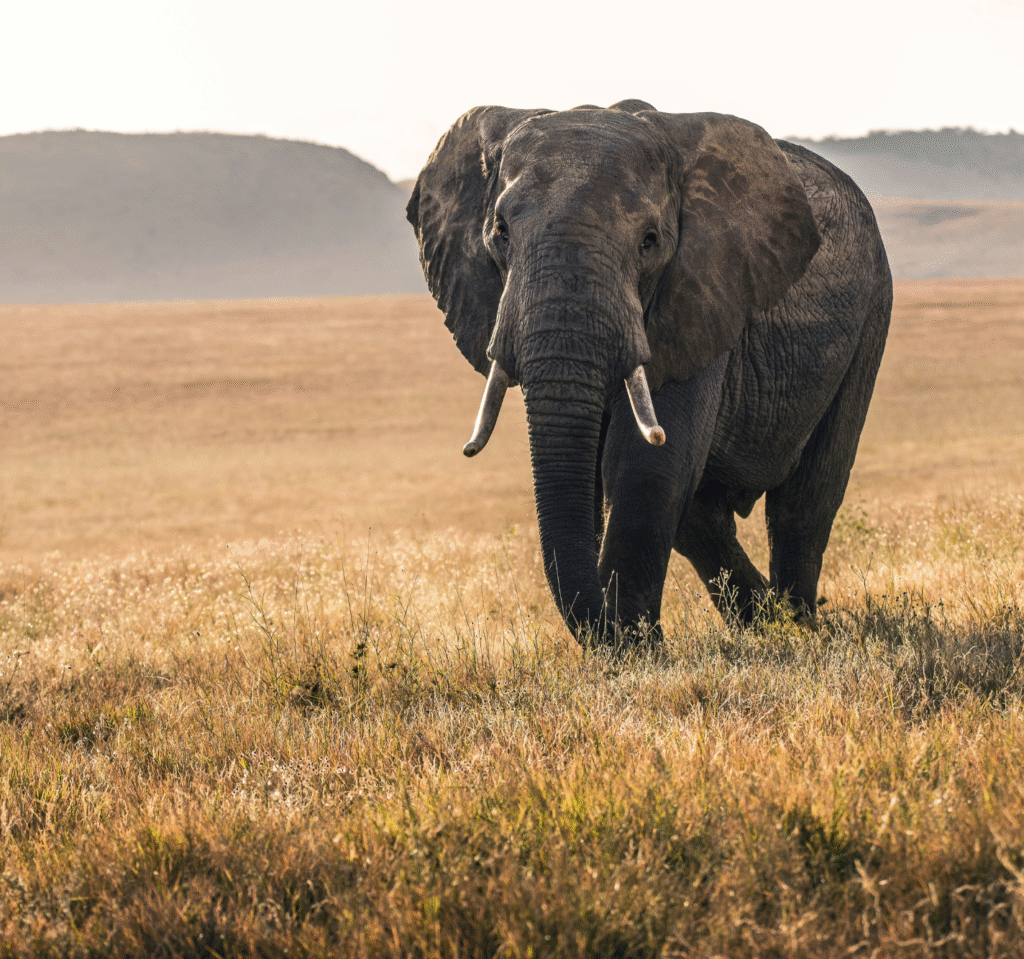
The Kasigau Corridor REDD+ Project protects more than 200,000 hectares of dryland forest in southeast Kenya and forms a critical wildlife corridor between Tsavo East and Tsavo West National Parks. The project helps safeguard important habitat for species including African elephants, Grevy’s zebra, lions, cheetahs, African wild dogs and white-backed vultures.
Developed by Wildlife Works, the project is one of the world’s pioneering REDD+ initiatives and demonstrates how carbon finance can support both conservation and sustainable development. By preventing deforestation and addressing drivers such as poaching, subsistence agriculture and illegal tree harvesting, the project generates verified emissions reductions while protecting biodiversity.
Project Location
The Kasigau Corridor REDD+ Project is located in southeast Kenya, between Tsavo East and Tsavo West National Parks, forming a vital ecological link between these two protected areas.
The region contains dryland forests and savanna ecosystems that provide important habitat for wildlife, including over 11,000 elephants across the wider ecosystem, with more than 2,000 found within the Kasigau Corridor itself. Protecting this corridor supports wildlife movement between the national parks while conserving critical forest landscapes.
Standard & Accreditation
The project proponent for Kasigau is Wildlife Works Carbon LLC and is registered according to Verra’s Verified Carbon Standard (VCS) and Climate, the Community, and Biodiversity (CCB) standard.
Project Number: 612
Sustainable Development Goals
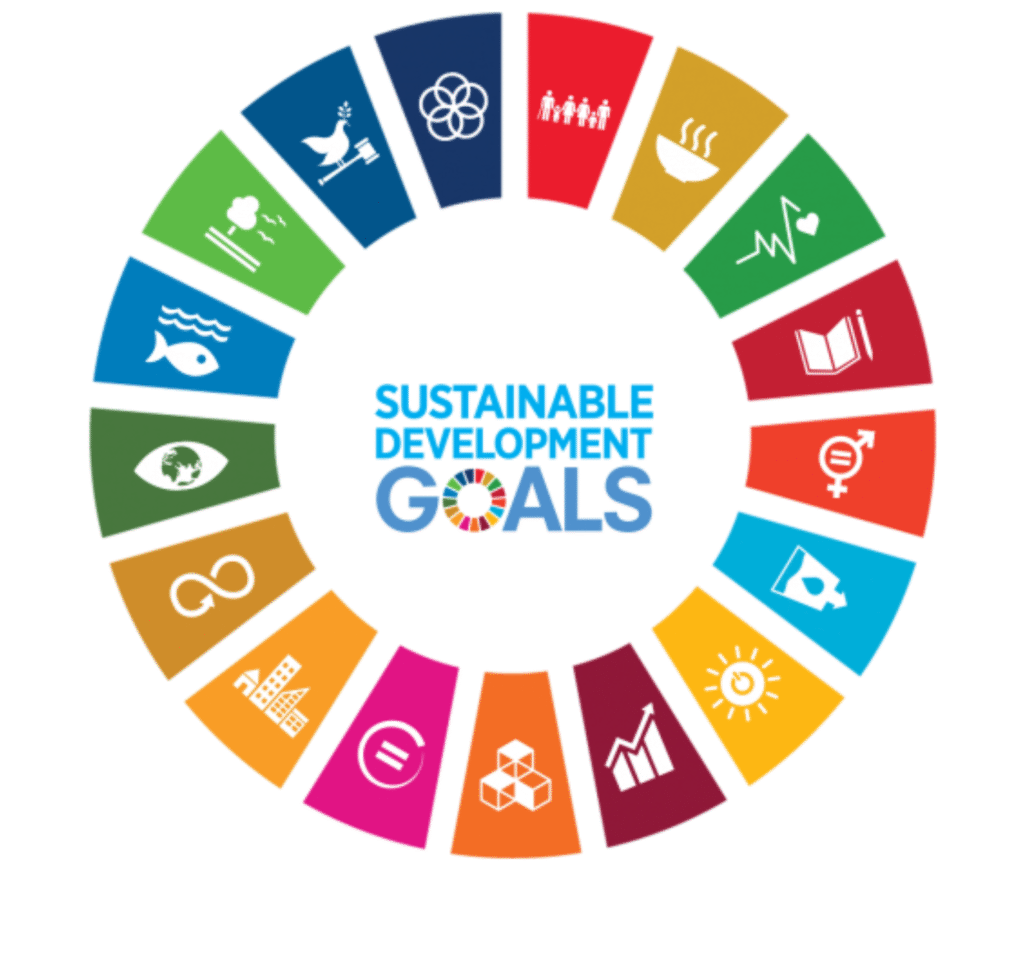
The Kasigau Corridor REDD+ Project supports 14 United Nations Sustainable Development Goals (SDGs) through a community-centred conservation model. Carbon revenues are reinvested locally, benefiting over 115,000 community members, including more than 6,000 landowners.
Through Wildlife Works’ partnership with local communities, the project creates long-term employment and sustainable enterprises that replace activities such as poaching, illegal logging and unsustainable agriculture. Jobs range from wildlife protection and forest monitoring to eco-product manufacturing, education support, farming assistance and tree growing initiatives.
Community governance ensures that revenues from carbon credit sales are reinvested into healthcare, education, water infrastructure and local economic development, supporting improved livelihoods and long-term environmental stewardship.
Waterhouse River Carbon Project
Northern Territory, Australia
Located east of Katherine, the Waterhouse River Carbon Project is regenerating vast cattle country and partnering with local Indigenous communities to restore native vegetation and improve land management across 139,200 hectares.
Located along Mozambique’s Sofala and Zambezia coastlines, the MozBlue Project is restoring and protecting 140,000 hectares of mangroves to strengthen coastal resilience, support biodiversity, and create sustainable livelihoods through community-led blue carbon initiatives.
Carbonwave transforms the environmental threat of invasive Sargassum seaweed into opportunity by harvesting it before decay and converting it into sustainable materials, helping restore ocean health, reduce methane emissions, and support coastal communities across the Caribbean.