The Mapoon Carbon Project is an Indigenous-led fire management initiative that generates carbon benefits through the application of traditional land management practices. By implementing strategically planned early dry-season burns, the project reduces the risk of high-intensity wildfires, helping to lower greenhouse gas emissions while protecting landscapes and ecosystems.
Combining traditional knowledge with modern carbon management, the project supports improved fire regimes that contribute to climate action, biodiversity protection, and ecosystem restoration. These activities help maintain healthy savanna landscapes and enhance natural habitats across the region.
The project also delivers important co-benefits for Indigenous communities, including local employment for Indigenous rangers, the revitalisation of cultural land management practices, and strengthened land stewardship. Carbon revenues generated through the project contribute to community initiatives that support local resilience, including the development of community spaces and emergency accommodation for those in need.
Project Location
The Mapoon Carbon Project is located in the Mapoon region on the western coast of the Cape York Peninsula in Queensland, Australia.
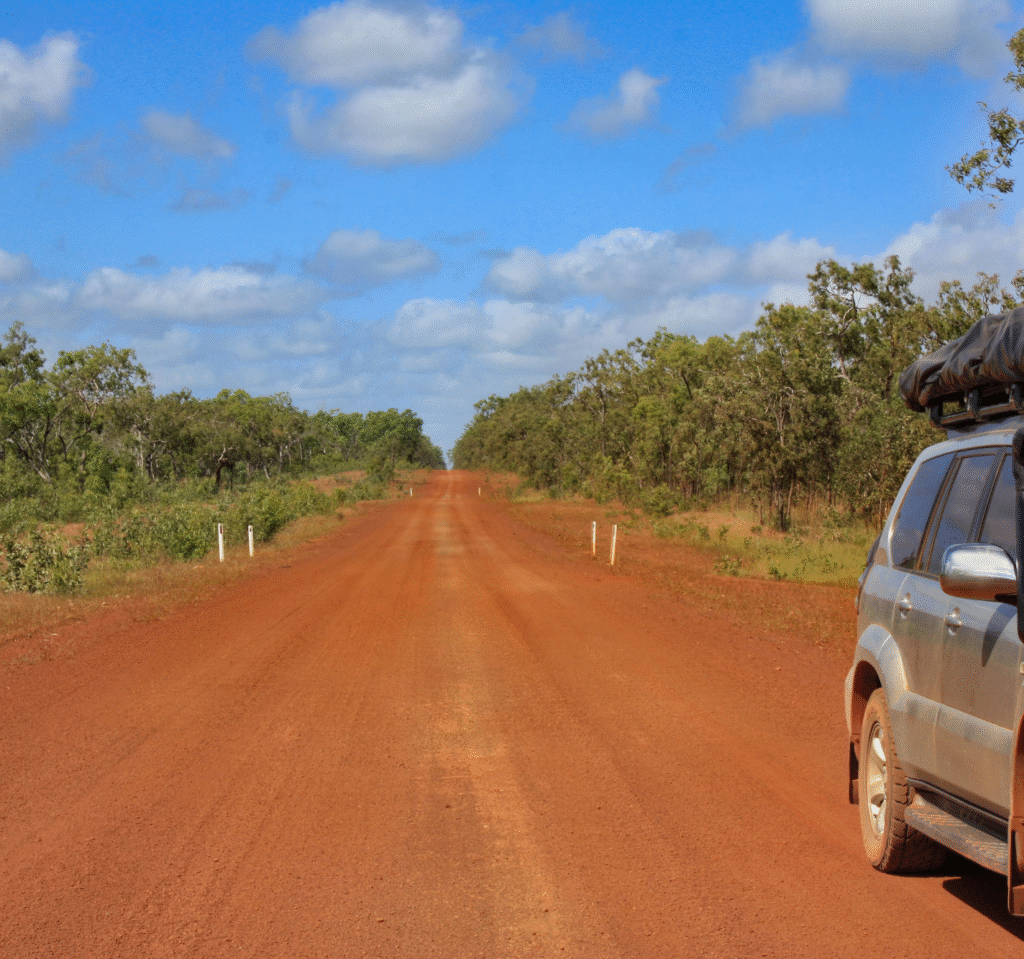
This remote savanna landscape is highly susceptible to late-season wildfires, making it well suited to strategic fire management programs. Through controlled burns and ongoing land stewardship, the project helps reduce wildfire intensity while supporting the long-term health of the region’s ecosystems and landscapes.
Standard & Accreditation
The Moora Plains Project is registered under the Australian Government’s ACCU scheme using the Savanna Fire Management (Indigenous Co-Benefits).
Project Number: EOP100766
Australian Carbon Credit Units (ACCUs)
The Mapoon Carbon Project generates Australian Carbon Credit Units (ACCUs) through strategic savanna fire management that reduces greenhouse gas emissions from high-intensity wildfires. Early dry-season burning, guided by Indigenous land management knowledge, helps prevent late-season fires that release significantly higher emissions.
Purchasing Mapoon ACCUs provides a high-quality Australian carbon offset while supporting Indigenous land stewardship, biodiversity protection, and employment for Indigenous rangers across Cape York Peninsula. Carbon revenues also contribute to local community initiatives that strengthen long-term resilience.
Waterhouse River Carbon Project
Northern Territory, Australia
Located east of Katherine, the Waterhouse River Carbon Project is regenerating vast cattle country and partnering with local Indigenous communities to restore native vegetation and improve land management across 139,200 hectares.
Located along Mozambique’s Sofala and Zambezia coastlines, the MozBlue Project is restoring and protecting 140,000 hectares of mangroves to strengthen coastal resilience, support biodiversity, and create sustainable livelihoods through community-led blue carbon initiatives.
Carbonwave transforms the environmental threat of invasive Sargassum seaweed into opportunity by harvesting it before decay and converting it into sustainable materials, helping restore ocean health, reduce methane emissions, and support coastal communities across the Caribbean.
The Kasigau Corridor REDD+ Project protects over 200,000 hectares of forest in southeast Kenya, forming a vital wildlife corridor between Tsavo East and West National Parks and safeguarding key species. It is a pioneering REDD+ initiative that generates verified carbon credits by preventing deforestation while supporting conservation and sustainable development.