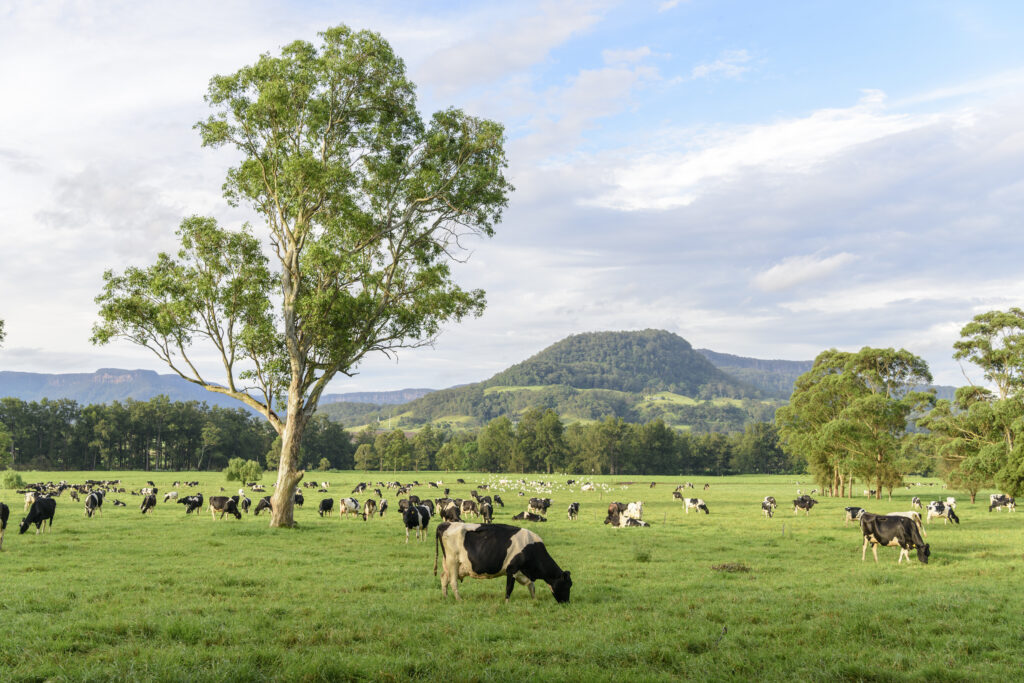
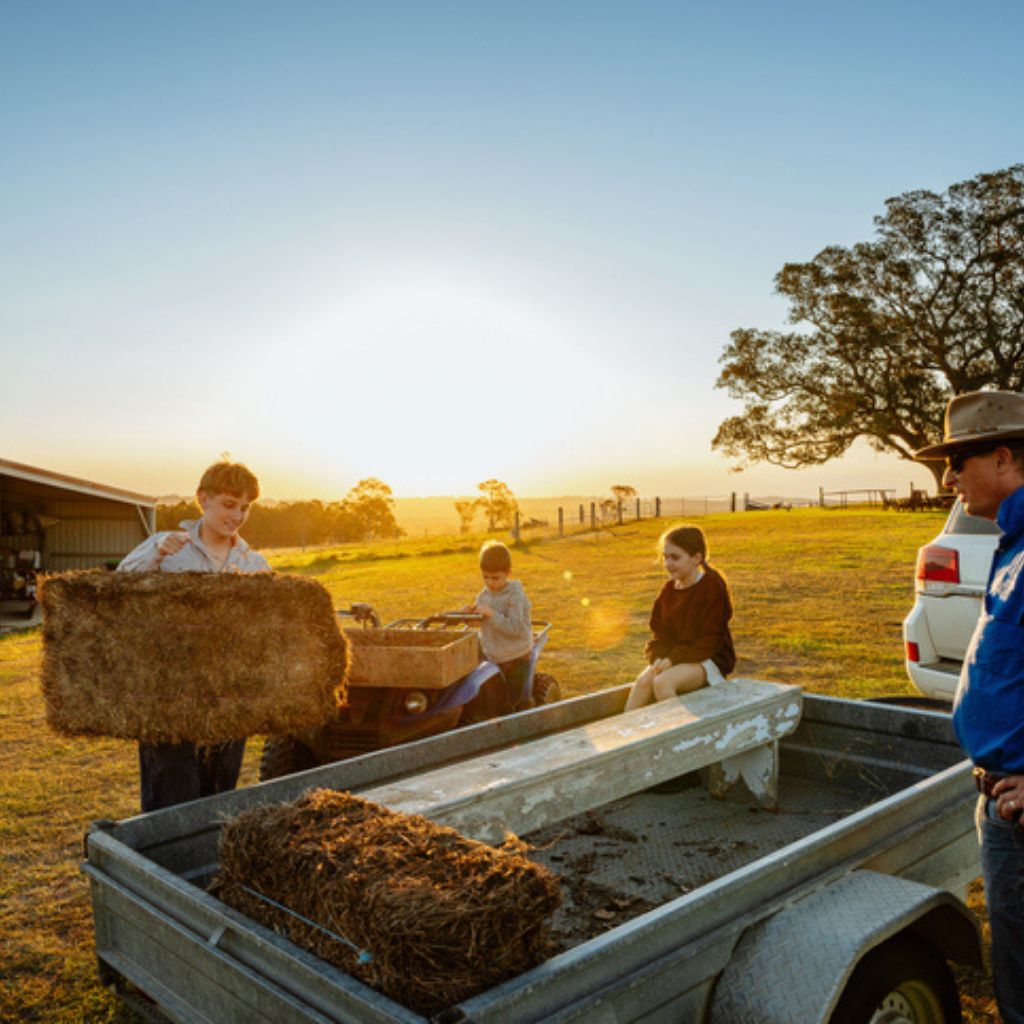
Future Grazing was built on a simple belief: the best climate solutions are the ones farmers choose because they strengthen the farm business.
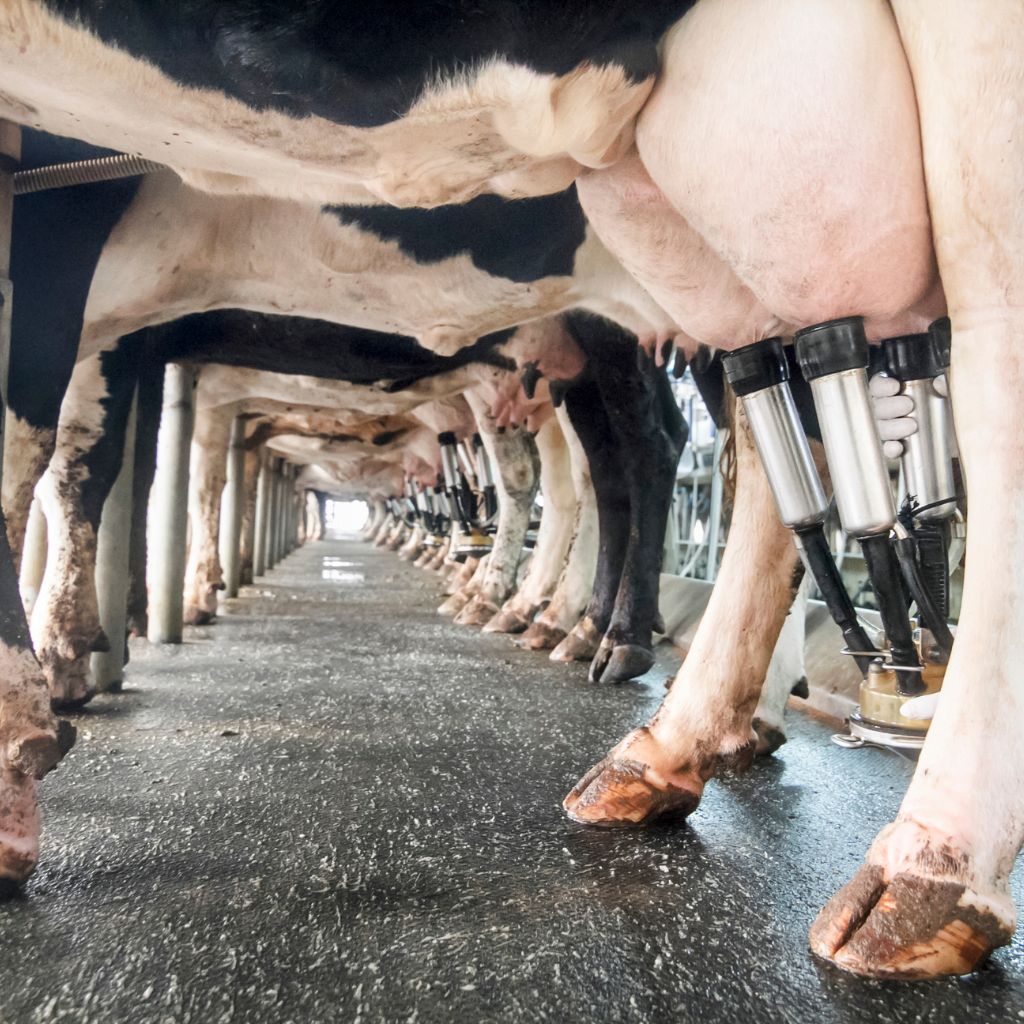
Developed by Viridios Capital and Feedworks Australia, the program helps Australian dairy and beef producers reduce livestock methane using just one gram of feed additive per head each day, while improving productivity and creating a clear commercial return for participating farms.
Built on independent monitoring, reporting and verification, Future Grazing delivers credible, traceable methane reductions that help food companies reduce supply chain emissions with confidence.
By aligning the interests of farmers, processors and brands, the program turns methane reduction into a practical, scalable solution that delivers measurable climate outcomes without asking farmers to compromise their business.
Project Objectives
Farm-First Climate Action
No new infrastructure. No carbon expertise. Just practical climate action that works with existing farm systems.
Cut Methane. Improve Productivity
Reduce livestock methane while increasing milk and meat production using just one gram per head each day.
Verified Supply Chain Outcomes
Access independently verified, fully traceable methane reductions with confidence in every tonne.
Low-Cost, Scalable Solution
A practical, cost-effective way to reduce agricultural emissions at scale while delivering value for farmers and supply chains.
How It Works
Future Grazing gives farms a choice. They can access a discounted feed additive while Viridios manages the verified environmental benefits, or retain those verified methane reductions for use within their own supply chains.
Using the Verra methodology, farm-level methane reductions are independently monitored, verified and audited annually, providing credible, fully traceable emissions reductions from farm to processor.
Farmers Don't Need to Be Carbon Experts
There is no new fancy infrastructure to install. No changes to everyday farm management.
Feedworks’ nutritionists work with farmers, feed mills and industry professionals to incorporate the feed additive into its existing feeding program, whether that’s a total mixed ration, molasses or another feeding system.
Future Grazing also removes much of the complexity that has kept many farmers on the sidelines of the carbon markets. We manage the carbon project registration, monitoring, reporting and independent verification, while farmers focus on running productive businesses.
Ready to get started? Let's chat.
By submitting this form, you agree that Viridios Group may contact you to discuss Feedworks and other solutions that may be of interest to you.
Waterhouse River Carbon Project
Northern Territory, Australia
Located east of Katherine, the Waterhouse River Carbon Project is regenerating vast cattle country and partnering with local Indigenous communities to restore native vegetation and improve land management across 139,200 hectares.
Located along Mozambique’s Sofala and Zambezia coastlines, the MozBlue Project is restoring and protecting 140,000 hectares of mangroves to strengthen coastal resilience, support biodiversity, and create sustainable livelihoods through community-led blue carbon initiatives.
Carbonwave transforms the environmental threat of invasive Sargassum seaweed into opportunity by harvesting it before decay and converting it into sustainable materials, helping restore ocean health, reduce methane emissions, and support coastal communities across the Caribbean.
The Kasigau Corridor REDD+ Project protects over 200,000 hectares of forest in southeast Kenya, forming a vital wildlife corridor between Tsavo East and West National Parks and safeguarding key species. It is a pioneering REDD+ initiative that generates verified carbon credits by preventing deforestation while supporting conservation and sustainable development.