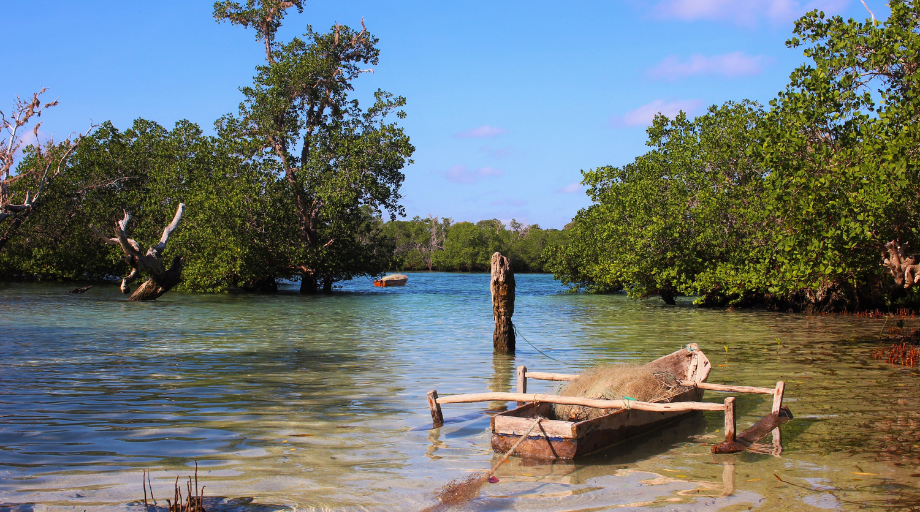
MozBlue, based in Mozambique’s Sofala and Zambezia provinces, is the world’s largest blue carbon project, protecting and restoring 140,000 hectares of highly threatened mangrove forests. With mangroves disappearing at 2,000 hectares per year, the project aims to prevent the loss of over 100,000 hectares by 2050 while strengthening climate resilience in a cyclone-prone region.
MozBlue will establish natural coastal barriers to safeguard communities such as Beira and Chinde, reducing disaster recovery costs. Beyond carbon benefits, it will promote biodiversity through sustainable aquaculture and improve livelihoods by creating a women-led enterprise producing eco-friendly bio-charcoal that emits 50% fewer toxins and burns longer, offering a cleaner alternative to traditional charcoal.
Project Location
Situated along the Sofala and Zambezia provinces on central Mozambique’s coast, MozBlue protects one of the world’s most threatened mangrove ecosystems in a region vital for biodiversity and community resilience.
Standard & Accreditation
The project is VERRA REDD+ VCU accredited and is registered according to VCS and CCB standards.
Project Number: 3142
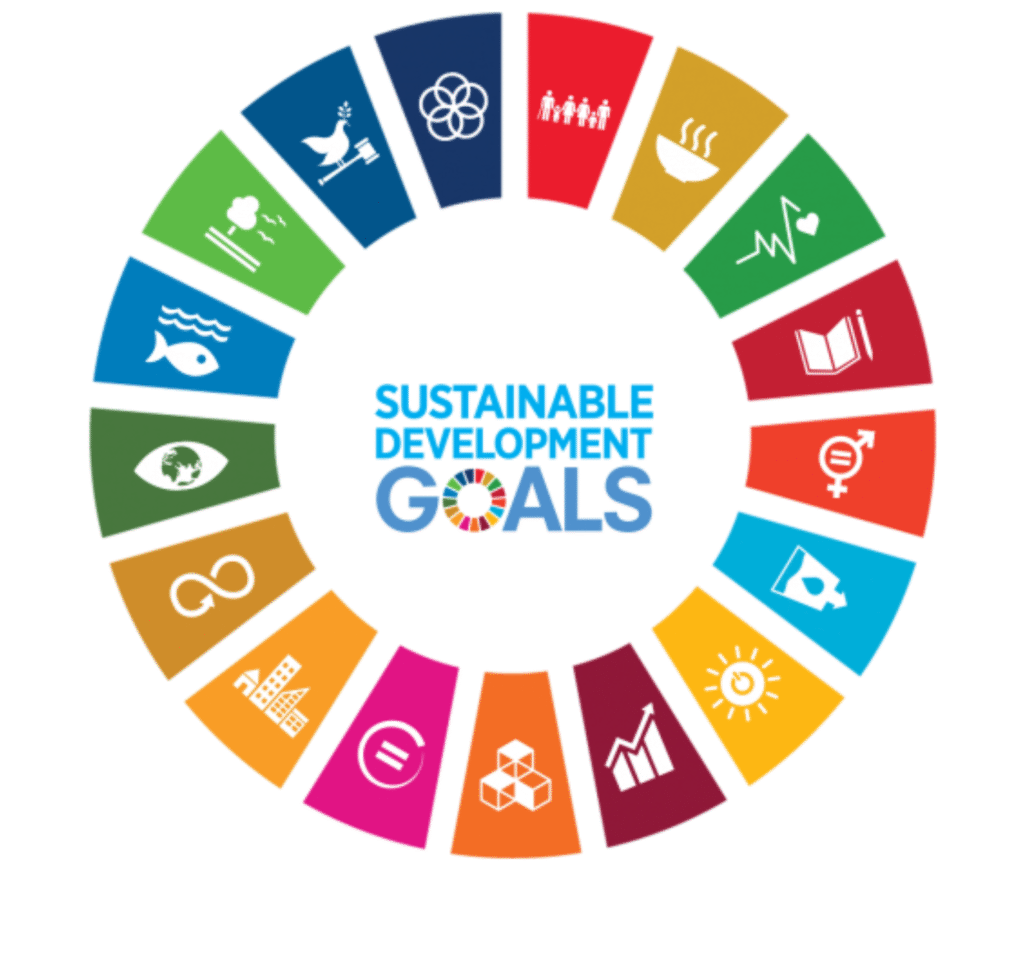
Sustainable Development Goals
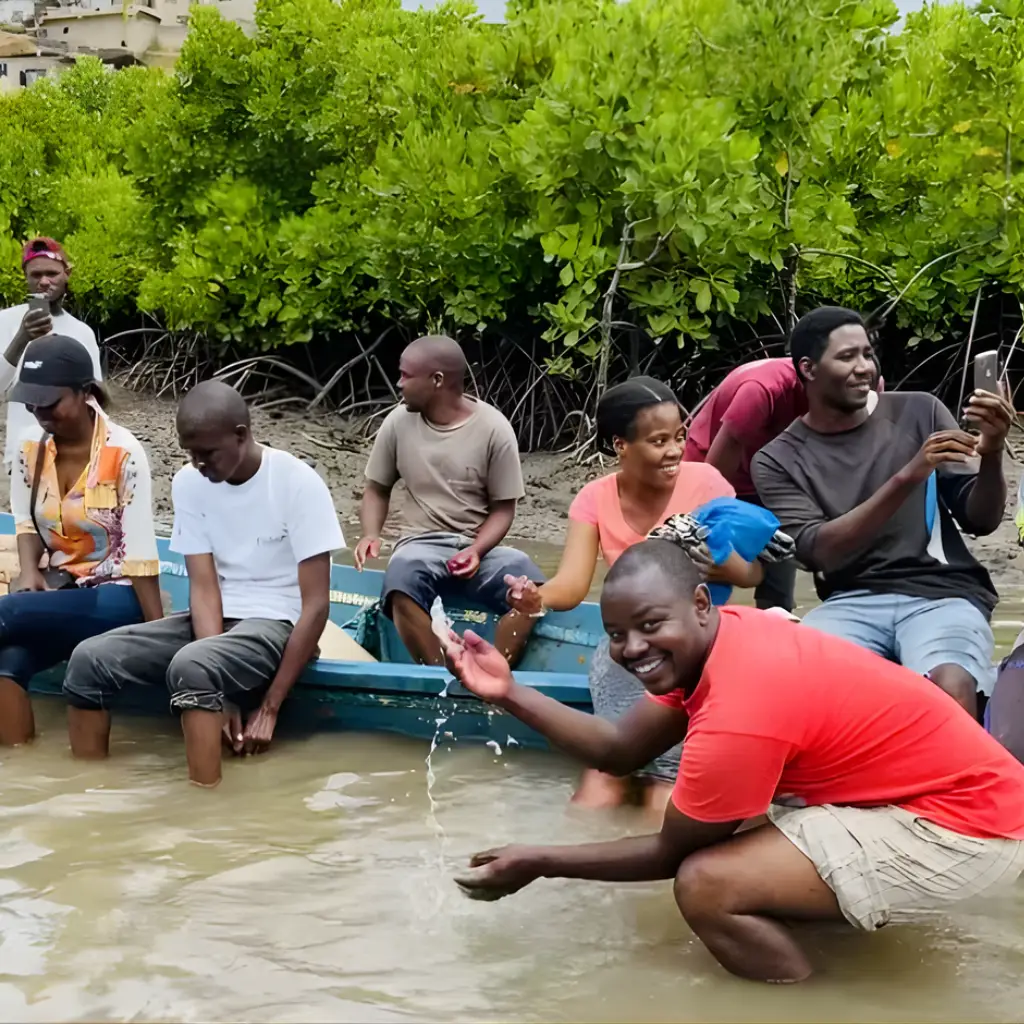
MozBlue delivers broad sustainable development impacts that extend well beyond carbon. The project enhances biodiversity through sustainable aquaculture and addresses severe deforestation pressures by introducing improved livelihood programs for local communities.
A key initiative is the establishment of a women-owned and women-operated bio-charcoal enterprise, producing cleaner briquettes that emit 50% fewer toxic fumes and burn longer—providing both health and environmental benefits.
The project is expected to create more than 200 local jobs, retain 80% of generated revenue within communities, and stimulate several new micro-businesses.
MozBlue’s contribution to nine UN Sustainable Development Goals is independently verified under the SD VISta Standard, and the project is formally listed on the Verra Registry, with its crediting period commencing in Q1 2023.
Waterhouse River Carbon Project
Northern Territory, Australia
Located east of Katherine, the Waterhouse River Carbon Project is regenerating vast cattle country and partnering with local Indigenous communities to restore native vegetation and improve land management across 139,200 hectares.
Carbonwave transforms the environmental threat of invasive Sargassum seaweed into opportunity by harvesting it before decay and converting it into sustainable materials, helping restore ocean health, reduce methane emissions, and support coastal communities across the Caribbean.
The Kasigau Corridor REDD+ Project protects over 200,000 hectares of forest in southeast Kenya, forming a vital wildlife corridor between Tsavo East and West National Parks and safeguarding key species. It is a pioneering REDD+ initiative that generates verified carbon credits by preventing deforestation while supporting conservation and sustainable development.