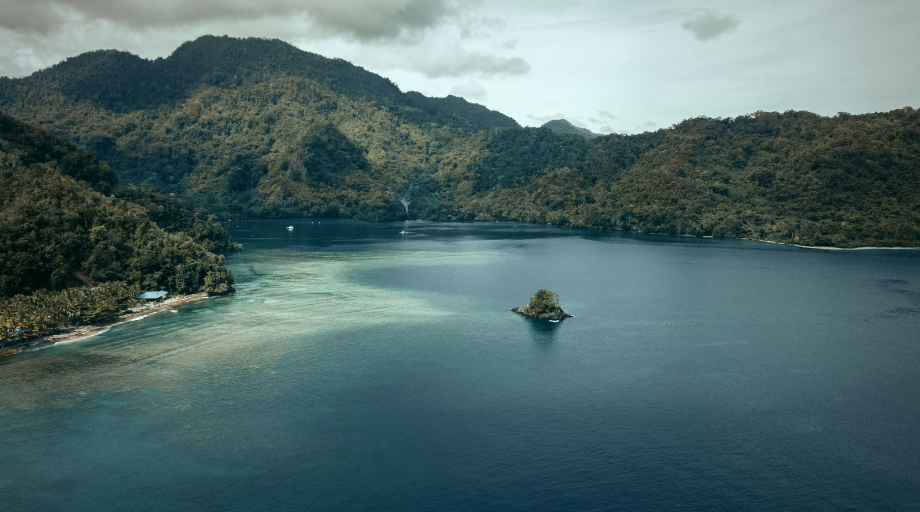
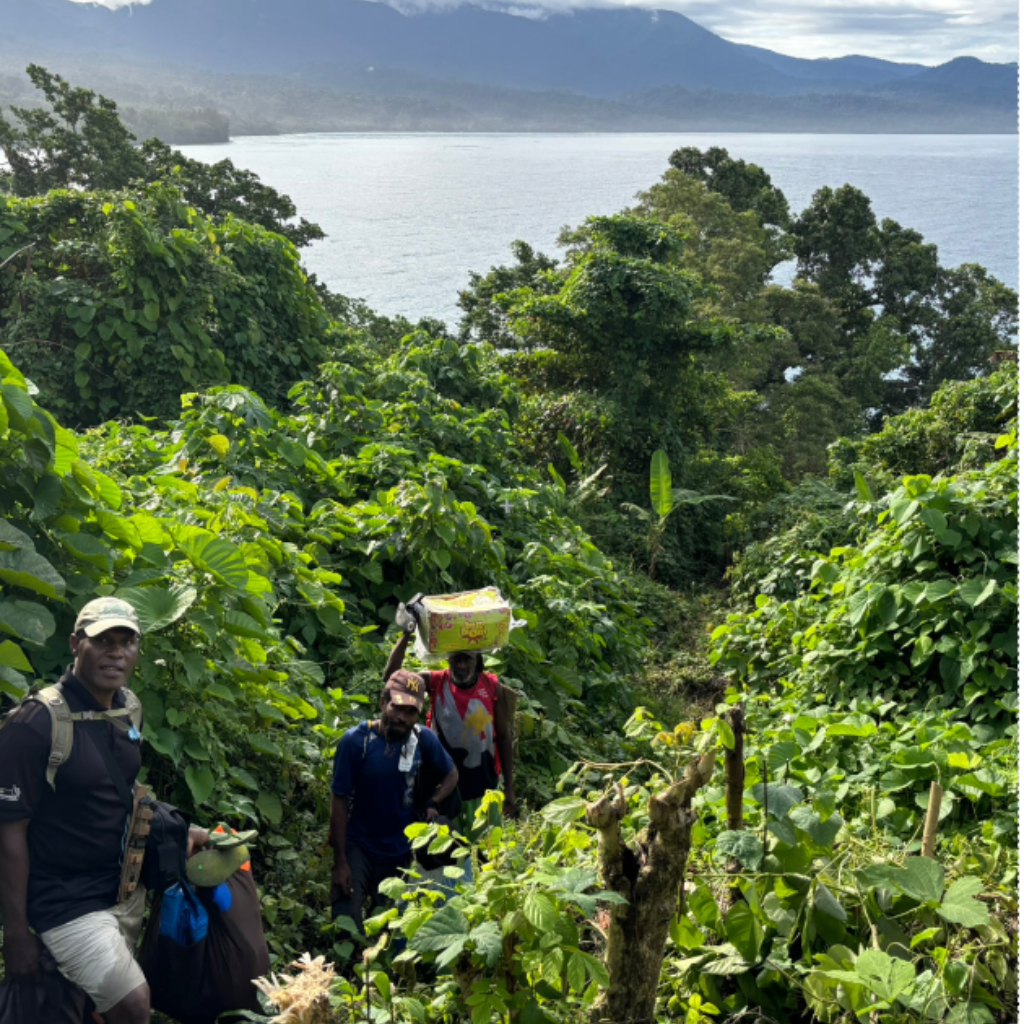
Lumagra (formerly NIHT Topaiyo) stands as the only active REDD+ project outside Papua New Guinea’s moratorium. The project is government-backed, large scale, and led by a proven team. Originally launched in the Konoagil area (Phase 1), the Lumagra project now covers 1.6 million hectares across New Ireland and East New Britain (Phases 2-3).
Viridios Capital is transitioning to manage the Lumagra Project, targeting ~USD 4 million to move to a jurisdictional baseline and issue VCUs (2020–2025 vintage) by Q4 2026.
Working directly with Landholder Groups and partners including the Kokoda Track Foundation, Australian Doctors International, and Nature for Justice, the project ensures ongoing consent, fairness, and measurable community outcomes in health, education, and forest protection.
Project Objectives
Biodiversity, Natural Capital
Protects habitats and species, while supporting clean water, flood control, and land stability.
Economic Impact
Shares 71% of net revenue in-country, including 56% to Landholder Groups and 15% to PNG governments.
Healthcare Access
Expands medical services, especially women’s health, in partnership with Australian Doctors International (ADI).
Education Support
Improves access to schooling through better resources, connectivity, and literacy programs.
REDD+ in Papua New Guinea
PNG’s forests—80% of the country and 7% of global biodiversity — are vital carbon sinks. Lumagra protects them by valuing natural capital and returning carbon revenue to landholders.
Project Number: VCS 2293
Waterhouse River Carbon Project
Northern Territory, Australia
Located east of Katherine, the Waterhouse River Carbon Project is regenerating vast cattle country and partnering with local Indigenous communities to restore native vegetation and improve land management across 139,200 hectares.
Located along Mozambique’s Sofala and Zambezia coastlines, the MozBlue Project is restoring and protecting 140,000 hectares of mangroves to strengthen coastal resilience, support biodiversity, and create sustainable livelihoods through community-led blue carbon initiatives.
Carbonwave transforms the environmental threat of invasive Sargassum seaweed into opportunity by harvesting it before decay and converting it into sustainable materials, helping restore ocean health, reduce methane emissions, and support coastal communities across the Caribbean.
The Kasigau Corridor REDD+ Project protects over 200,000 hectares of forest in southeast Kenya, forming a vital wildlife corridor between Tsavo East and West National Parks and safeguarding key species. It is a pioneering REDD+ initiative that generates verified carbon credits by preventing deforestation while supporting conservation and sustainable development.